


How painkiller medicines damage your kidney
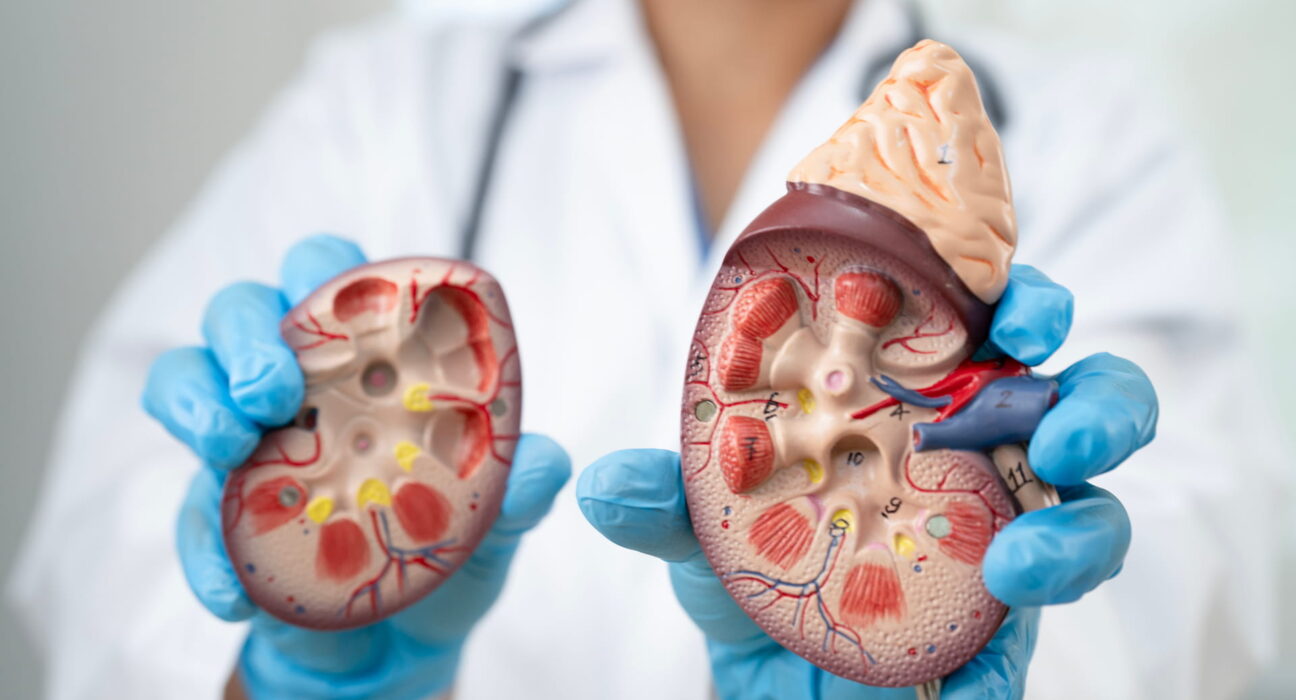
Painkiller medicines work usually by reducing inflammation, and any thing which reduces inflammation it also reduces blood flow to inflamed area, so keeping in view firstly an NSAID drug may reduce blood perfusion to an area, if it happens to renal perfusion, it would decrease GFR and promote kidney damage. NSAIDs can also cause vasoconstriction in renal blood supply, that would also reduce renal perfusion.
Human kidney can also be damaged by acidic pH . Almost all NSAIDs are acidic in nature and are excreted by kidneys, hence they or their acidic metabolites can damage kidneys by decreasing pH of urine. Low pH can also cause stone or cyst formation in kidneys.
Moreover low pH or acidic environment in kidneys can also cause renal tubular dysfunction, in which renal tubules which are responsible for filtering and urine formation, fail to perform their normal functioning.
How to protect kidneys from damaging, while taking pain medicines:
- Taking as low dose as possible ( best way is to take calculated dose according to your body weight and creatinine clearance).
- It is very important to avoid over dose (either as a single dose or frequent doses).
- It is also very important to remain well hydrated, that may also keep you protected against sudden decrease in pH.
- Important symptoms like sudden decrease in urination, swelling in legs or ankles or persistent fatigue, should always be monitored.
- In case of observing symptoms like these, one should visit a nephrologist for proper consultation