How does diabetes cause neuropathy Diabetes

How does diabetes cause neuropathy

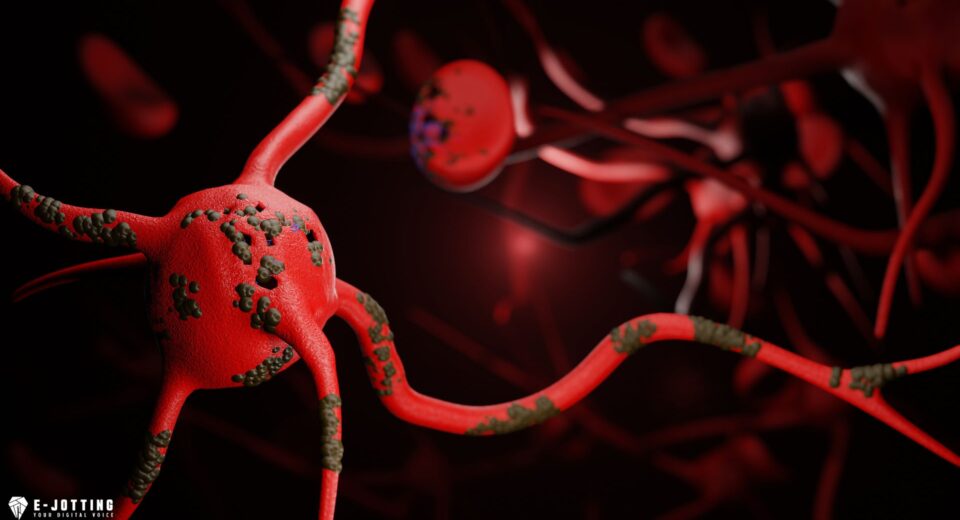
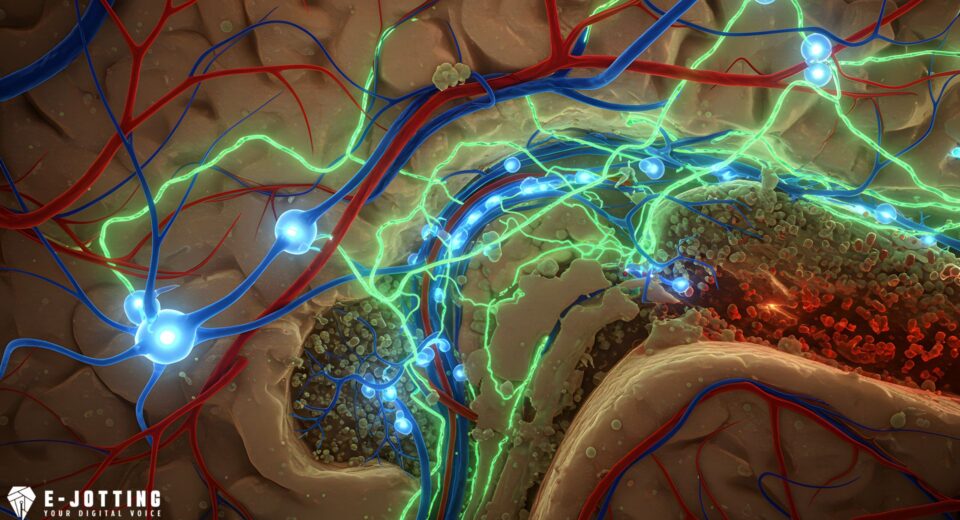
Mismanaged diabetes causes neuropathy primarily through prolonged exposure to high blood sugar and high blood fats (triglycerides) . Prolonged high blood glucose levels damage the tiny blood vessels that supply the nerves with oxygen and nutrients and triggers metabolic changes that disrupt nerve signaling, leading to nerve cell damage and death.   This nerve damage […]

What is neuroparhy Diabetes

What is neuroparhy

Neuropathy is a general term for nerve damage. It typically refers to peripheral neuropathy, which affects the network of nerves outside the brain and spinal cord. Such damage of nerves disrupts normal functioning of nerves that is receiving signals from receptors like skin, eyes, ears, etc and conveying signals to effectors like muscles and glands, […]

Prolonged mismanaged diabetes can cause heart failure Diabetes

Prolonged mismanaged diabetes can cause heart failure

Prolonged mismanaged diabetes can increases the risk of  heart failure . High blood sugar damages blood vessels and nerves related to cardiovascular system, causes inflammation and plaque buildup, and alters heart muscle metabolism. Which can lead to a condition called diabetic cardiomyopathy, where the heart muscles weaken, herat stiffens and struggles to pump efficiently. The […]

Coronary artery disease and diabetes Diabetes

Coronary artery disease and diabetes

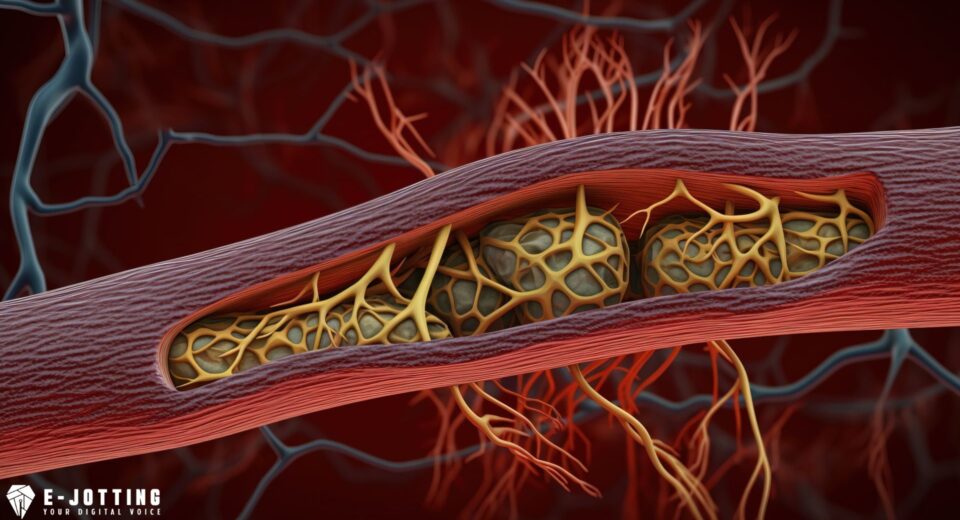
Coronary artery is the artery that provide blood to heart tissues, while coronary artery disease involves the narrowing or blockage of coronary artery. Mismanaged  diabetes is a big cause of onset and worsening of CAD, diabetes causes CAD by various ways. prolonged high glucose levels in blood damages inner lining of blood vessels by increasing […]

Diabetes

How to avoid heart diseases if you are diabetic

Cardiomyopathy is very common complication of mismanaged diabetes. But it can be avoided by maintaining few important parameters: (i)- Persistent high glucose levels: It makes the inner lining of blood vessels, stiffer. Which affects the normal physiology of blood vessels and makes them incapable of responding against high blood pressure. (ii)- Cholesterol values: Second very […]

Cardiac health

How does high glucose levels damage heart

Having too much sugar in your bloodstream fundamentally alters the biology of your cardiovascular system. Let’s try to understand how high glucose levels damage your heart over time, and what you can do about it. (1)- It Scars and Stiffens Your Blood VesselsYour blood vessels are lined with a delicate, smooth layer of cells called […]

How to improve cardiac health Cardiac health

How to improve cardiac health

Our heart beats about 100,000 times in a day. It works non-stop to pump oxygen and vital nutrients throughout your entire body.Though genetics play important role in cardiovascular fitness, your daily habits have the most significant impact. Small, consistent shifts in your routine can drastically lower your blood pressure, improve your cholesterol levels, and boost […]

Diabetes

When your diabetes start to damage your heart

Your diabetes may start to damage your heart in very initial phases of your diabetes, even in prediabetes phase.this damage to heart can be devided in different phases. Phase 1: The Invisible Start (Years Before Diagnosis)Heart damage actually begins during insulin resistance, which can occur 5 to 10 years before a person is ever diagnosed […]

Cardiac health

Endothelial injury

It refers to the damage in the delicate, single-cell layer lining your blood vessels and heart. This endothelial lining plays important roles as: (i)   Blood vessel diameter by releasing NO(nitrous oxide) that is a direct vasodilator. (ii)  Blood coagulation and fluidity is also controlled by endothelium, as it prevents the blood to come in contact […]

Cardiac health

Hidden hazards by low blood pressure

Normal blood pressure in human beings is 120/80, if your blood pressure remains below the normal values, you may face certain serious medical issues: Cognitive decline: An appropriate blood pressure is required to maintain blood supply to brain in order to supply nutrients and oxygen to brain, but if B.P remains low this required blood […]