

What is neuroparhy
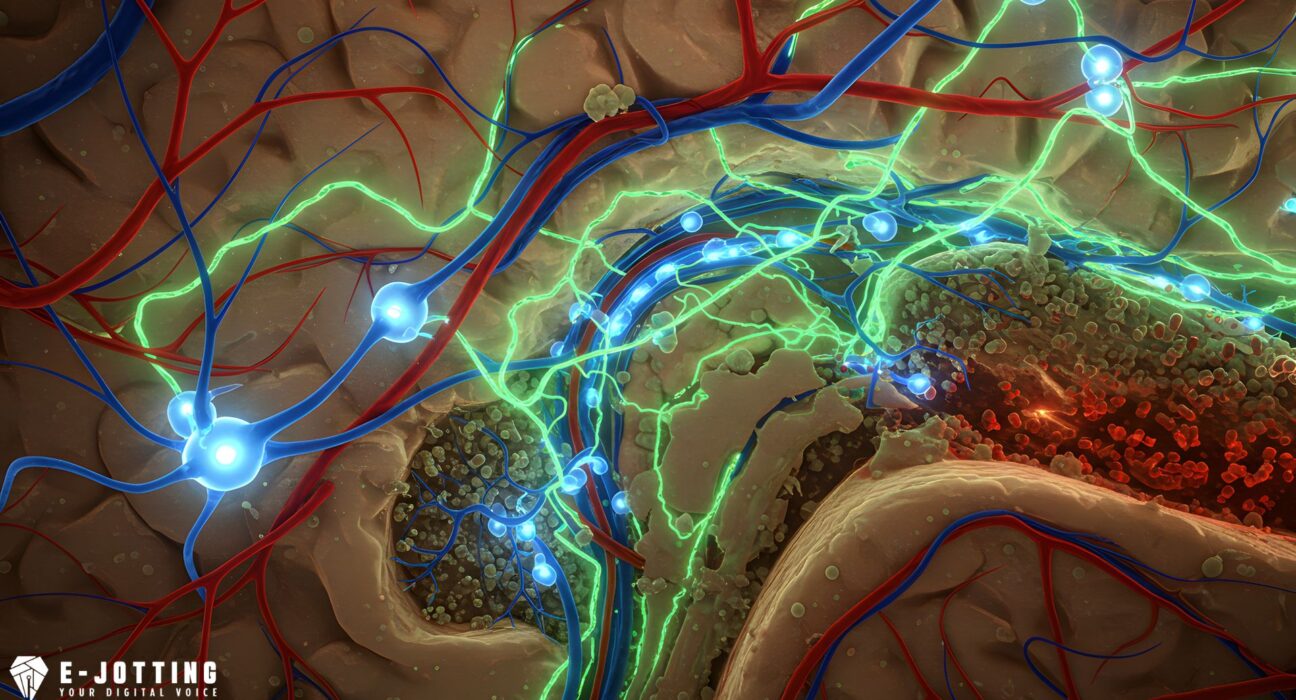
Neuropathy is a general term for nerve damage. It typically refers to peripheral neuropathy, which affects the network of nerves outside the brain and spinal cord.
Such damage of nerves disrupts normal functioning of nerves that is receiving signals from receptors like skin, eyes, ears, etc and conveying signals to effectors like muscles and glands, leading to symptoms like numbness, muscle weakness, and pain.
Symptoms of nerve damage depend on which nerves are damaged:
(1)- Damage in sensory Nerves: Sensory nerve is a nerve that takes signals from receptors to brain and spinal cord, if sensory nerves are damaged, it causes tingling (“pins and needles”), numbness, burning pain, or extreme sensitivity to touch.
(2)- Damage in motor Nerves: motor nerve is a nerve that takes the signals from brain and spinal cord to muscles and glands for response, if motor nerves are damaged, it causes muscle weakness, twitching, or loss of balance and coordination.
(3)- Damage in autonomic Nerves: autonomic nerves are the nerves related to autonomic nervous system, that work on its own to maintain balance in body, if autonomic nerves are damaged it causes dizziness, excessive or lack of sweating, or digestive and bladder issues.
Common Causes of Neuropathy can be a variety of medical conditions and external factors:
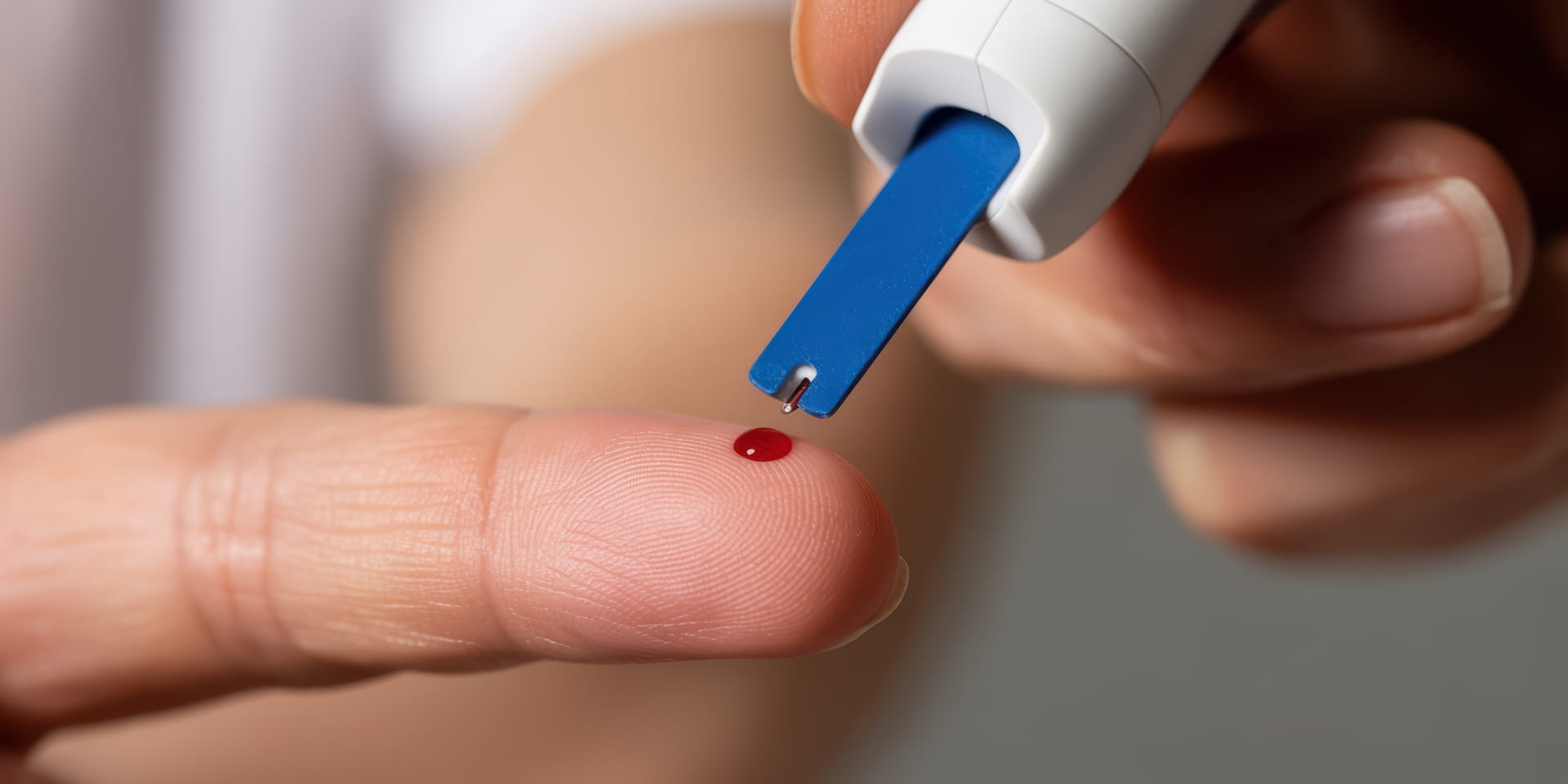
(1)- Diabetes: The most frequent cause of peripheral neuropathy. Long-term high blood sugar damages nerve fibers.
(2)- Vitamin Deficiencies: Low levels of essential vitamins, particularly B-12, are crucial to nerve health.
(3)- Infections & Autoimmune Diseases: Conditions like shingles, Lyme disease, lupus, or rheumatoid arthritis.
(4)- Medications & Toxins: Certain drugs—especially chemotherapy—along with heavy metals or alcohol abuse.
(5)- Injuries: Physical pressure or trauma that severs or damages nerves.
Early diagnosis and treatment play the key role in treatment, while key tasks of treatment are to manage symptoms and prevent further nerve damage.
Treating strategies involve finding and treating cause:
Managing blood sugar, adjusting medications, or treating autoimmune inflammation.
Medications:
Using nerve pain relievers, antidepressants, or topical creams.
Physical Therapy:
Exercises to improve strength, balance, and mobility.
Important is that who will treat your neuropathy:
(1)- First of all it very important to find the root cause of your neuropathy, and you should visit relevent medical expert to that specific cause, in addition you can further add up an neurophysician in your treatment plan.
(2)- Never miss to take guidance about rehabilitation, and lifestyle management from your doctors.